

Power Distribution: Delivering Safe and Reliable Electrical Supply

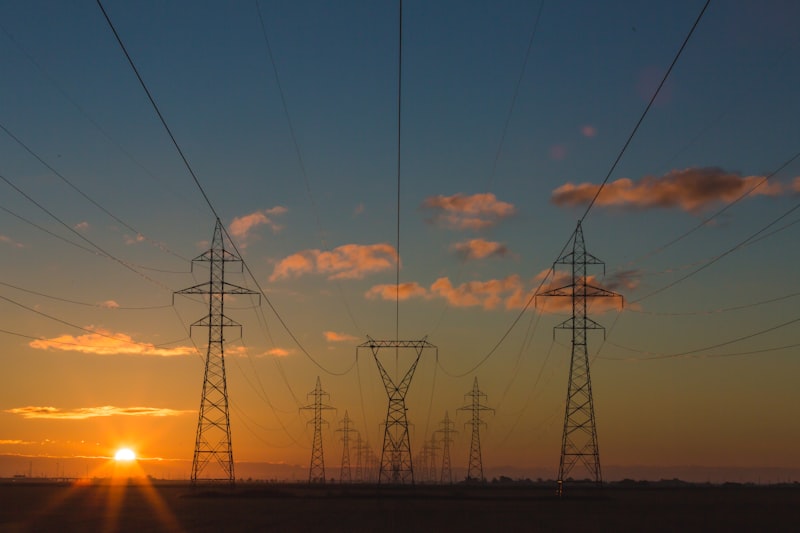
Effective power distribution is the foundation of any electrical installation. Whether you are supplying power to a single domestic property or distributing electricity across a large industrial site, the equipment and systems used to distribute power must be reliable, safe, and fit for purpose. Understanding the key components and best practices in power distribution will help ensure installations perform optimally for years to come.
What Is Power Distribution?
Power distribution refers to the network of equipment and infrastructure that takes electricity from the supply and delivers it to the various circuits and loads within a building or facility. This includes consumer units, distribution boards, busbar systems, and the associated protective devices that ensure safe and efficient operation.
Consumer Units and Distribution Boards
The consumer unit — commonly known as the fuse box — is the heart of the domestic electrical installation. Modern consumer units are fully populated with MCBs, RCDs, and RCBOs, providing comprehensive protection for every circuit in the home. Under the 18th Edition Wiring Regulations, consumer units in domestic dwellings must be housed in non-combustible enclosures to reduce the risk of fire.
Distribution boards serve a similar purpose in commercial and industrial installations. They may be single-phase or three-phase, surface-mounted or flush-fitted, and can be customised with various combinations of MCBs, RCDs, RCBOs, and AFDDs to meet the specific requirements of the installation. TPN (Triple Pole and Neutral) distribution boards are commonly used in commercial buildings to distribute three-phase power efficiently.
Busbar Systems and Busbar Chambers
In larger installations, busbar systems provide an efficient means of distributing high-current power throughout a building. Busbar trunking systems consist of conductors enclosed in a protective housing that can be run horizontally or vertically, with tap-off units allowing power to be taken off at multiple points along the run. Busbar chambers are used to interconnect distribution boards and provide a rated busbar capacity to suit the installation’s load requirements.
MCCBs for High-Current Applications
While MCBs are suitable for circuits up to 125A, Moulded Case Circuit Breakers (MCCBs) are used where higher current ratings are required. MCCBs are available in ratings from around 100A up to 1600A or more and are commonly used as the main incomer device in large distribution boards, or for protecting heavy industrial equipment and sub-mains.
Best Practices for Power Distribution Design
Good power distribution design starts with an accurate assessment of the total connected load and diversity. Circuits should be arranged logically and labelled clearly to facilitate operation, maintenance, and fault-finding. Adequate spare ways should be included to allow for future expansion, and all equipment should be selected to meet the specific environmental conditions — including temperature, humidity, and ingress protection requirements.
At Terelec Technologies, we supply a comprehensive range of power distribution equipment including consumer units, distribution boards, busbars, and MCCBs from industry-leading manufacturers. Our products are designed to meet the demands of modern electrical installations, from simple domestic upgrades to complex commercial and industrial projects.


